
Depression care, closer to you.
Learn about depression, explore treatment approaches, and find clinics that may offer the care you’re looking for.
Popular: TMS Therapy · Spravato® · Psychiatric MDs

Common Signs & Clinical Symptoms
Depression can affect mood, thinking, physical health, and daily functioning. A major depressive episode generally involves symptoms occurring most of the day, nearly every day, for at least 2 weeks, including depressed mood or loss of interest or pleasure. A qualified healthcare professional can assess symptoms, functioning, and other possible causes.
Persistent Low Mood, Sadness, or Emotional Numbness
A constant state of sadness, emotional blunting, emptiness, or unprovoked weeping episodes lasting most of the day.
Loss of Interest (Anhedonia)
Inability to experience pleasure from once-loved hobbies, social gatherings, intimacy, or creative passions.
Sleep & Appetite Changes
Insomnia, early-morning waking, oversleeping, increased or decreased appetite, or unplanned changes in weight can occur with depression.
Fatigue, Brain Fog & Low Energy
Severe physical heaviness, motor slowing, and pervasive cognitive exhaustion making basic self-care feel monumental.
Executive Dysfunction & Poor Focus
Impaired working memory, paralysis during decision-making, and difficulty following complex professional tasks.
Worthlessness or Helplessness
Persistent disproportionate guilt, harsh self-criticism, defeatist fatalism, or recurring morbid ruminations.
Important: Some people with depression may also experience thoughts of death, suicide, or self-harm. These symptoms require prompt professional attention. One symptom by itself does not establish a diagnosis.
Treatment Options for Depression
Some treatment approaches used for depression include medication, psychotherapy, and specialized interventions. Treatment options vary, and a qualified healthcare professional can discuss what may be appropriate.
Medication & Psychotherapy
Treatment for depression may include antidepressant medication, psychotherapy, or a combination of approaches. The appropriate treatment depends on the individual’s symptoms, medical history, preferences, and clinical assessment by a qualified healthcare professional.
Learn about medicationEvidence-Based Psychotherapy
Evidence-based psychotherapies for depression include cognitive behavioral therapy (CBT) and interpersonal therapy (IPT). Other approaches may also be appropriate depending on an individual’s symptoms and clinical needs.
Explore therapy optionsTranscranial Magnetic Stimulation (TMS)
A noninvasive brain-stimulation treatment that uses magnetic pulses to stimulate targeted areas of the brain. TMS may be considered for some adults with major depressive disorder, particularly when symptoms have not improved adequately with antidepressant treatment.
Find clinics offering TMSEsketamine (Spravato®)
A prescription nasal-spray treatment used for certain adults with treatment-resistant depression. It is administered under healthcare-provider supervision and requires monitoring after treatment.
Find clinics offering SpravatoInsurance Coverage: Insurance coverage and eligibility vary by plan and treatment. Coverage may depend on your insurance plan, diagnosis, treatment history, provider or facility, and prior authorization requirements.
How Depression Treatment Works
Depression treatment can vary from person to person. A qualified healthcare professional may consider symptoms, medical history, preferences, previous treatment response, and other factors when discussing treatment options.
Comprehensive Evaluation
A healthcare professional may assess symptoms, duration, severity, medical history, functioning, and other factors that could affect treatment.
Treatment Planning With a Clinician
A qualified healthcare professional may discuss treatment options based on symptoms, preferences, medical history, and clinical needs.
Treatment & Follow-Up
Treatment providers may monitor symptoms, response, side effects, and progress and adjust treatment when appropriate.
Ongoing Support & Relapse Prevention
Continued follow-up may help monitor symptoms and support ongoing care when appropriate.
When to Consider Talking With a Mental Health Professional
Consider talking with a qualified mental health professional if symptoms persist, interfere with daily activities, or have not improved adequately with current treatment. A professional can assess your symptoms and discuss whether additional evaluation or treatment options may be appropriate.
- Symptoms that persist or interfere with daily life
- Symptoms that have not improved adequately with current treatment
- Significant difficulty functioning at work, school, relationships, or daily activities
- Questions about psychotherapy, medication, TMS, or other treatment approaches
- Concerns about complex or co-occurring mental health symptoms
Curated Guides & Insights on Depression Care
Educational articles on depression symptoms, treatment approaches, and related care topics.
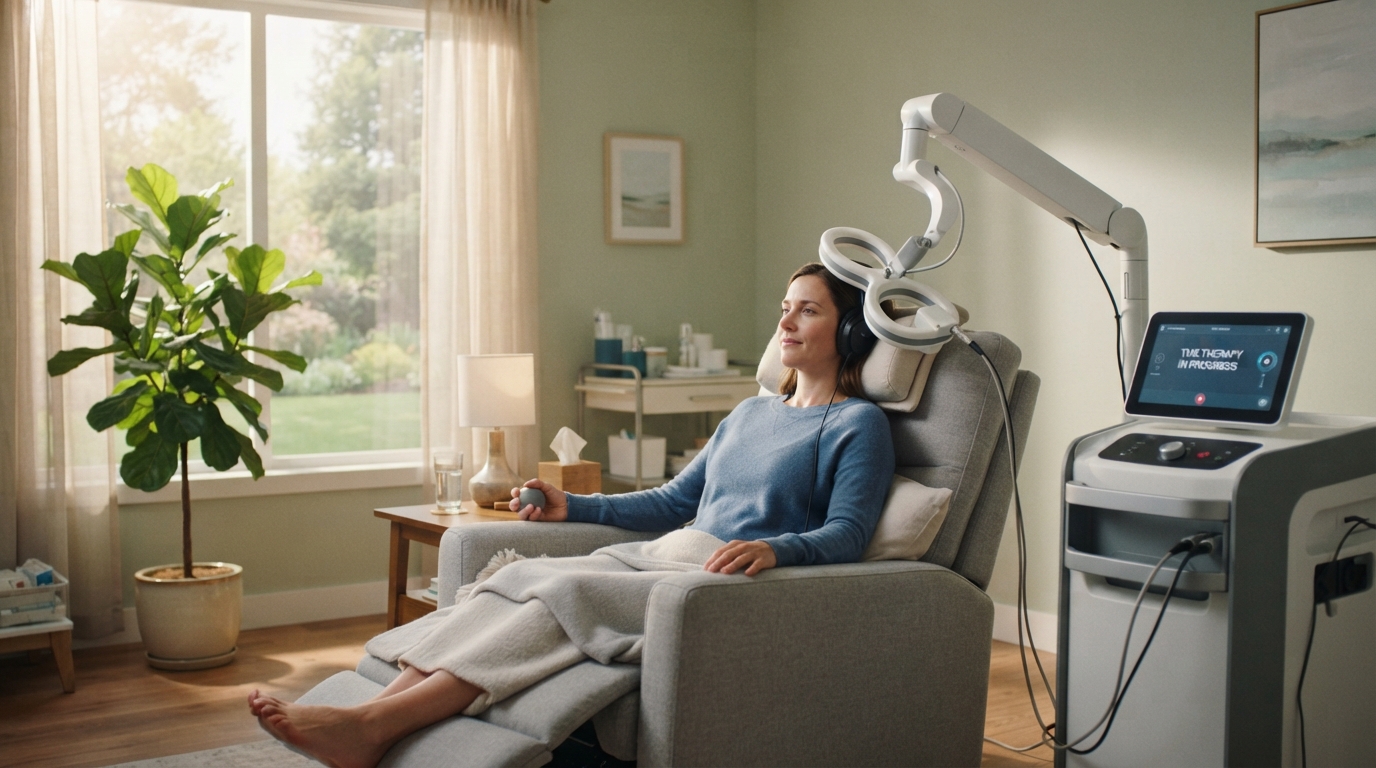
How to Beat Depression with TMS or Esketamine
Comparing neurochemical vs electro-magnetic approaches for patients who have not found relief through conventional SSRIs.Read article
Is Your Teen Depressed? Recognizing the Early Signs of MDD
Distinguishing standard adolescent emotional shifts from clinical depressive disorders requiring prompt pediatric psychiatric support.Read article
How Depression Affects Motivation & What You Can Do
The physiological basis of anhedonia and executive dysfunction, along with evidence-based techniques to rebuild daily momentum.Read article
Depression Isn't Just Mental: How MDD Impacts the Body
Unpacking systemic inflammation, gastrointestinal gut-brain signals, and muscle tension that accompany major affective disorders.Read articleExplore Depression Clinics in Your Area
Browse clinics and mental health providers that may offer evaluation and treatment approaches for depression.
Specialties
Review the conditions and specialties listed by each provider.
Treatment Modalities
See which modalities or services a clinic lists.
Location
Browse providers by city, state, or nearby location where available.
Insurance & Coverage
Review information shown in the listing and confirm current details directly with the clinic.
Directory note: Clinic information can vary by location and may change over time. Contact the clinic directly to confirm services, availability, insurance participation, and whether a specific treatment is offered.
Frequently Asked Questions
Educational answers about depression, treatment approaches, and insurance considerations.
What is the difference between major depression and temporary sadness?
Major depressive disorder involves a pattern of symptoms that persist for at least two weeks and cause significant distress or impairment. Sadness or low mood can occur temporarily in response to everyday experiences and does not necessarily mean someone has depression. A healthcare professional can evaluate symptoms, duration, functioning, and other possible causes.
When might someone discuss interventional depression treatments with a provider?
Interventional treatments such as TMS or esketamine may be considered for some people whose depression has not improved adequately with other treatments. Eligibility depends on factors such as diagnosis, treatment history, medical history, and the specific treatment being considered. A qualified clinician can determine whether an intervention is appropriate.
What treatments are available if antidepressants have not helped enough?
Some people may discuss additional options with a clinician, including other medication strategies, evidence-based psychotherapy, transcranial magnetic stimulation (TMS), or esketamine (Spravato®) when clinically appropriate. Treatment options vary, and a qualified healthcare professional can help determine what may be suitable.
Will insurance cover TMS or esketamine therapy?
Insurance coverage for TMS or esketamine varies by plan and individual circumstances. Coverage may depend on diagnosis, treatment history, medical-necessity criteria, prior authorization, and the specific insurer and provider.
Looking for Depression Care?
Explore clinics and mental health providers offering evaluation and treatment for depression.
MDDCare is a clinic directory and educational resource. Treatment decisions are made with qualified healthcare professionals.
Medical Disclaimer: MDDCare is an informational resource and clinic directory. Information on this site is not a substitute for professional medical advice, diagnosis, or treatment. Clinic services, availability, and insurance participation may vary. Contact a qualified healthcare professional or clinic for individual medical questions.
Clinical Sources: NIMH — DepressionFDA — Spravato Prescribing InformationFDA — rTMS Systems Guidance